
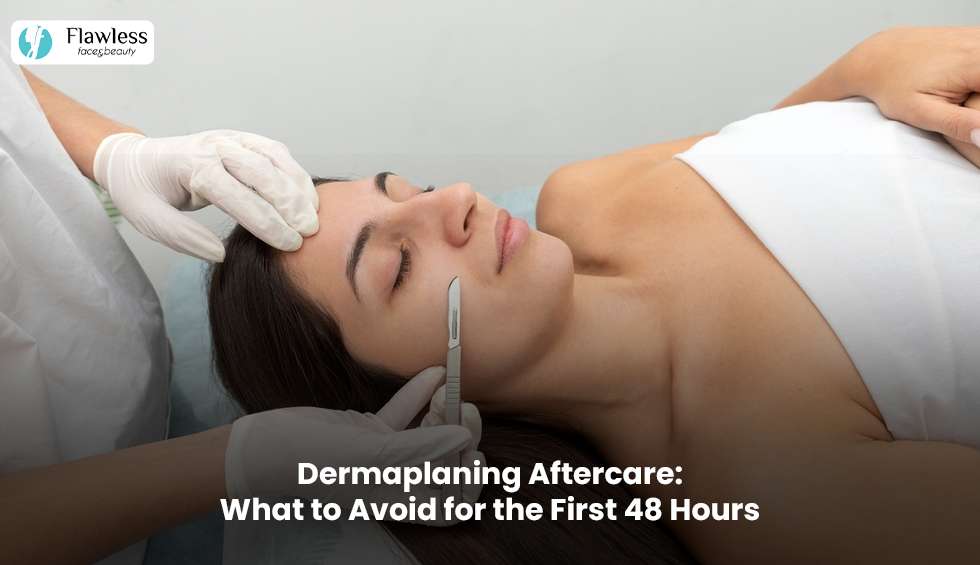
Dermaplaning can leave your skin feeling incredibly smooth, fresh and noticeably brighter. But what you do after your appointment matters just as much as the treatment itself. Freshly exfoliated skin can be more sensitive for a short period, so using the wrong products, exercising heavily or spending too much time in the sun may lead to unnecessary redness or irritation.
The good news? Proper aftercare is simple.
For the first 48 hours, think gentle, hydrating and protective. Your skin does not need a complicated routine. It needs time to settle.
This guide explains exactly what to avoid after Dermaplaning Treatment in New-Zealand, what you can safely use, and how to look after your skin while it recovers.
What Happens to Your Skin After Dermaplaning?
Dermaplaning is a professional exfoliation treatment that carefully removes surface dead skin cells and fine facial hair. Once that surface layer has been removed, your complexion can look smoother and more radiant almost immediately.
The treatment can also create a cleaner surface for skincare products and makeup. However, because the skin has just undergone exfoliation, it may temporarily feel more delicate than usual.
You might notice:
- Mild redness
- Slight tightness
- Increased sensitivity
- A smoother or softer texture
- Temporary dryness
These reactions are generally short-lived. The important thing is not to overload the skin while it is settling.
Professional skincare guidance commonly recommends avoiding strong exfoliating ingredients, excessive heat and direct sun exposure during the early recovery period.
Why the First 48 Hours Matter
The first two days are when your skincare routine should become simpler, not more complicated.
A common mistake is thinking that because the skin looks brighter, it is ready for every product in your bathroom cabinet. It isn’t.
Freshly exfoliated skin can be more reactive to ingredients and environmental factors. Adding several active products immediately afterwards can cause stinging, dryness or redness.
This is why many professional aftercare recommendations suggest giving the skin around 24–48 hours before returning to stronger active ingredients, while some clinics recommend waiting longer depending on the individual’s skin and treatment.
What to Avoid After Dermaplaning
1. Avoid Retinol and Strong Active Ingredients
Retinol, prescription retinoids and strong exfoliating products can be too stimulating immediately after treatment.
For the first 48 hours, avoid products containing:
- Retinol or retinoids
- AHAs
- BHAs
- Glycolic acid
- Salicylic acid
- Strong exfoliating blends
These ingredients can be useful in a normal skincare routine, but applying them too soon after exfoliation may increase irritation.
If your therapist gives you different instructions based on your skin, follow their advice.
2. Skip Physical Exfoliation
Your skin has already received plenty of exfoliation during the treatment.
That means no facial scrubs, exfoliating brushes, cleansing devices or abrasive cloths immediately afterwards. There is no benefit to trying to remove even more skin.
In fact, adding another exfoliation step can make your complexion feel uncomfortable and irritated.
Give your skin a break and allow it to naturally settle.
3. Avoid Prolonged Sun Exposure
Freshly treated skin deserves extra protection from the sun.
Try to avoid unnecessary direct sunlight during the first 48 hours, particularly during periods of strong UV exposure. Wear protective clothing and a hat when appropriate, and apply a broad-spectrum sunscreen recommended for your skin.
Daily SPF remains important after the initial 48-hour period too. Dermaplaning aftercare guidance consistently highlights sun protection as one of the most important steps following treatment.
4. Stay Away From Excessive Heat
For the first day or two, avoid activities that expose your face to excessive heat.
This can include:
- Saunas
- Steam rooms
- Very hot showers
- Hot tubs
- Facial steaming
Heat and sweating may make freshly treated skin feel more uncomfortable.
Several New Zealand skincare clinics specifically recommend avoiding saunas, steam rooms and excessive heat following dermaplaning.
5. Be Careful With Intense Exercise
Exercise is healthy, but an intense workout immediately after treatment may not be the best idea.
Heavy sweating, heat and frequent face touching can irritate freshly exfoliated skin. Consider taking it easy for at least the first day, particularly if your skin feels warm, sensitive or red.
Once your complexion feels comfortable again, you can gradually return to your normal routine.
6. Don’t Pick, Scratch or Rub Your Face
Even if your skin feels slightly different after treatment, resist the temptation to touch it repeatedly.
Picking, scratching or rubbing can introduce bacteria and create unnecessary irritation. Keep your hands away from your face as much as possible and cleanse gently.
This small habit can make a surprisingly big difference to your comfort during recovery.
Can You Use Retinol or Acids?
This is one of the most common questions after dermaplaning.
The safest approach is to pause strong active skincare during the initial recovery window. Many professional recommendations advise avoiding retinol and exfoliating acids for approximately 48 hours, while some providers recommend a longer break depending on the treatment and individual skin sensitivity.
When you restart your usual routine, don’t feel pressured to use everything at once. Introduce products gradually and pay attention to how your skin responds.
If your skin is still sensitive after 48 hours, wait until it feels comfortable before restarting stronger products.
What About Makeup?
Makeup is another area where aftercare advice can vary.
Some providers recommend avoiding makeup for around 12–24 hours, while others advise waiting longer. Mineral makeup may sometimes be permitted sooner, depending on the condition of the skin and the provider’s instructions.
If you have an important event coming up, it is worth planning your appointment in advance rather than scheduling treatment immediately before a major occasion.
When you do return to makeup:
- Use clean brushes or applicators
- Avoid heavy layers
- Don’t aggressively remove makeup
- Choose gentle, skin-friendly products
Sun Exposure and SPF
Sunscreen should become a non-negotiable part of your routine after dermaplaning.
Use a broad-spectrum SPF appropriate for your skin and apply it as directed. If you’re spending significant time outdoors, additional sun protection such as a hat and shade can help reduce exposure.
The goal isn’t simply to protect your immediate results. Consistent sun protection supports healthier-looking skin over time and helps reduce the effects of UV exposure.
What Should You Apply Instead?
After dermaplaning, your routine can be surprisingly basic.
Focus on three things:
Gentle cleansing: Use a mild cleanser and lukewarm water. Avoid scrubbing.
Hydration: Choose a simple moisturiser or hydrating product that your skincare professional recommends.
Sun protection: Apply broad-spectrum SPF during the day.
The aim is to support the skin rather than challenge it with multiple active ingredients.
Professional aftercare guidance also recommends maintaining hydration following treatment.
A Simple 48-Hour Aftercare Routine
First 24 Hours
Morning
- Gently cleanse if required.
- Apply a suitable hydrating product.
- Use broad-spectrum SPF.
During the day
- Avoid unnecessary sun exposure.
- Don’t touch, rub or scratch your face.
- Stay away from excessive heat and strenuous activity if your skin feels sensitive.
Evening
- Cleanse gently with lukewarm water.
- Apply a simple moisturiser.
- Keep your routine minimal.
24–48 Hours
Continue with gentle skincare and daily SPF.
If your skin feels calm and comfortable, you can gradually prepare to return to your usual routine. However, if redness, sensitivity or dryness continues, give your skin additional time rather than rushing back to active products.
When Should You Contact a Professional?
Mild redness or sensitivity can occur after exfoliation, but you should not ignore unusual or worsening symptoms.
Contact your skincare professional or healthcare provider if you experience significant swelling, severe pain, persistent burning, signs of infection or a reaction that concerns you.
If you have an existing skin condition, active acne, open wounds, severe irritation or another concern, professional advice is especially important before or after treatment.
Why Professional Aftercare Matters
Good aftercare isn’t about buying a shelf full of new skincare products. It’s about understanding what your skin needs at that particular moment.
At Flawless face & beauty, professional guidance can help you choose an appropriate treatment and understand how to care for your complexion afterwards. The clinic’s treatment information explains that dermaplaning is designed to remove dead skin cells and fine facial hair while leaving the skin smoother and brighter.
If you’re considering Dermaplaning Treatment in New-Zealand, discussing your skin type, current products and any sensitivities with a qualified beauty professional is a smart place to start.
Final Thoughts
Dermaplaning can give your complexion that fresh, polished feeling many people love. But the best results aren’t just about what happens during the appointment.
For the first 48 hours, keep things simple:
- Avoid strong active ingredients.
- Skip physical exfoliation.
- Limit direct sun exposure.
- Avoid excessive heat.
- Take a break from intense exercise if your skin feels sensitive.
- Don’t pick, rub or scratch.
- Keep your skin hydrated.
- Wear SPF every day.
Your skin doesn’t need to be pushed harder after dermaplaning. Give it a little breathing room, protect it from the environment and let the treatment do its job.
Frequently Asked Questions
1. Can I wash my face after dermaplaning?
Yes, but cleanse gently with a mild product and lukewarm water. Avoid scrubbing, brushes and abrasive cloths.
2. Can I use retinol 24 hours after dermaplaning?
It is generally better to wait at least 48 hours before restarting retinol, unless your skincare professional has provided different instructions.
3. Can I go outside after dermaplaning?
You can go outside, but minimise prolonged direct sun exposure and use broad-spectrum SPF. A hat and shade provide additional protection.
4. How long should I avoid exfoliating after dermaplaning?
Avoid physical and strong chemical exfoliation during the initial 48-hour period. Some professionals recommend avoiding physical exfoliation for longer, depending on your skin.
5. Can I exercise after dermaplaning?
It is sensible to avoid intense exercise for at least the first day, particularly if sweating or heat makes your skin uncomfortable.