
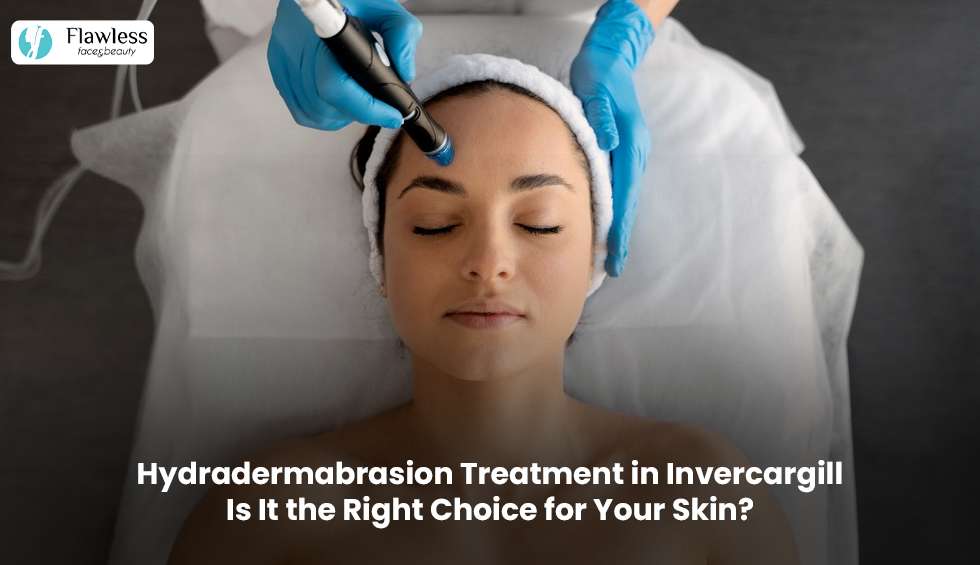
Your skin can look tired even when you follow a regular skincare routine. Sometimes, moisturiser alone is not enough to deal with rough texture, clogged pores, or a lack of hydration.
You might cleanse every morning, apply your favourite products, and still feel that something is missing. This is where professional skincare treatments can offer additional support.
Hydradermabrasion treatment in Invercargill is an option worth considering if you want a facial that combines gentle exfoliation, pore cleansing, and hydration.
However, choosing a facial should involve more than following a beauty trend. Your skin type, current condition, lifestyle, and skincare habits all matter.
At Flawless Beauty, the focus is on giving your skin the attention it needs. In this guide, we explain what to consider before booking, what happens during treatment, and how to care for your skin afterwards.
What Makes Hydradermabrasion Different From Other Facial Treatments?
Not every facial works in the same way. Some focus mainly on relaxation, while others concentrate on exfoliation, cleansing, or hydration.
Hydradermabrasion combines several skincare steps into one treatment. It uses specialised equipment to exfoliate the skin while helping remove surface impurities and deliver hydrating solutions.
This makes it an interesting option for people who want to address more than one skincare concern during an appointment.
How It Works
The treatment generally combines three important steps:
- Exfoliation: Helps remove accumulated dead skin cells from the skin’s surface.
- Extraction: Uses gentle suction to help clear excess oil and debris from pores.
- Hydration: Applies suitable skincare solutions to help replenish moisture.
The exact process and products can vary depending on the equipment and treatment offered.
What Makes It a Different Skincare Experience?
Traditional facials often involve manual cleansing, masks, massage, and product application.
Hydradermabrasion uses specialised technology to combine exfoliation, cleansing, and hydration.
It may suit people who want a more technology-assisted facial experience without choosing an aggressive resurfacing treatment.
The right choice still depends on your skin condition and treatment goals.
How Does Hydradermabrasion Work on Your Skin?
Understanding each stage can help you feel more comfortable before your first appointment.
Although the process may vary between clinics, a typical Hydradermabrasion session follows several stages.
Deep Cleansing and Exfoliation
The treatment begins by removing surface dirt, makeup residue, and excess oil.
Gentle exfoliation then helps lift away dead skin cells that can contribute to a rough or dull appearance.
This step prepares the skin for the following stages.
Gentle Removal of Pore Build-Up
Oil, dead skin cells, and everyday impurities can collect inside pores.
Specialised suction technology helps remove some of this build-up without relying on aggressive manual squeezing.
This can leave congested areas feeling cleaner.
Hydration and Serum Application
After cleansing and exfoliation, suitable hydrating products are applied to the skin.
Ingredients such as hyaluronic acid are commonly used in skincare to help attract and retain moisture.
The products selected should match your skin’s needs and tolerance.
Finishing Skincare and Protection
The final stage focuses on keeping the skin comfortable and protected.
A suitable moisturiser and broad-spectrum sunscreen can help support your skin after exfoliation.
Your therapist can also recommend an appropriate home skincare routine.
Which Skin Concerns Can Hydradermabrasion Help Address?
People consider professional facials for different reasons. Some want help with dryness, while others are more concerned about visible pores or uneven texture.
Hydradermabrasion may help improve the appearance of several common skin concerns.
Dry and Dehydrated Skin
Dry skin can feel tight, flaky, or uncomfortable. Dehydrated skin may also appear less smooth and lack its usual freshness.
A hydration-focused treatment can help improve the skin’s moisturised appearance.
However, persistent dryness may require changes to your everyday skincare routine as well.
Dull and Uneven-Looking Skin
Dead skin cells can accumulate on the surface and make your complexion appear less radiant.
Gentle exfoliation helps remove this surface build-up, revealing smoother-looking skin underneath.
Regular sun protection is also important for maintaining an even-looking complexion.
Congested Pores and Excess Oil
If your skin feels greasy or you frequently notice blackheads around your nose and chin, pore cleansing may be worth considering.
Hydradermabrasion can help remove excess surface oil and some pore debris.
It should not be considered a cure for acne or a replacement for medical acne treatment.
Rough Skin Texture
Uneven texture can make your skin feel less smooth, even when you moisturise regularly.
Gentle exfoliation may help soften rough surface areas and improve the overall feel of your skin.
Your therapist can help determine whether this treatment is appropriate for your concerns.
Is Hydradermabrasion Suitable for Your Skin Type?
One treatment does not suit everyone in exactly the same way. Before booking, consider how your skin usually behaves and whether you have any current sensitivities.
Dry Skin
If your skin frequently feels tight or flaky, a hydration-focused facial may be worth discussing.
The combination of gentle exfoliation and moisturising products can help improve surface dryness.
Oily Skin
People with oily skin may be interested in the cleansing and extraction stages.
These steps can help remove excess oil and surface debris. However, oil production may continue, so consistent home care remains important.
Combination Skin
Combination skin often has an oily T-zone and drier cheeks.
A personalised treatment can take these differences into account rather than treating the entire face in the same way.
Sensitive Skin
Sensitive skin needs additional attention before any exfoliating treatment.
If you experience frequent redness, irritation, or a weakened skin barrier, speak with your therapist first.
The treatment intensity and products may need adjusting. Sometimes, postponing treatment is the better decision.
Mature Skin
Mature skin may experience dryness, uneven texture, and visible fine lines.
Hydration and gentle exfoliation can help improve its appearance, although Hydradermabrasion cannot reverse the natural ageing process.
What Should You Expect During Your First Hydradermabrasion Appointment?
Trying a new facial can bring up several questions.
You might wonder how the treatment feels, what products will be used, or whether your skin will look different afterwards.
Knowing what to expect can make the experience more comfortable.
Start With a Skin Consultation
A professional consultation should come before the treatment.
Your therapist should understand your concerns, skincare routine, sensitivities, and any active skin conditions.
Mention any recent procedures, medication, or products that may affect your skin.
Understand the Treatment Process
Ask your therapist to explain the equipment and products being used.
You should know what each stage involves and whether any adjustments are needed for your skin.
Do not hesitate to speak up if you experience discomfort.
Know What Your Skin May Look Like Afterwards
Many people notice softer or smoother-feeling skin after treatment.
Some may experience temporary redness or sensitivity.
Results differ between individuals, and one appointment cannot guarantee a particular outcome.
How to Prepare Your Skin Before Hydradermabrasion
A little preparation can make your appointment easier and help reduce unnecessary irritation.
Here are some practical steps to consider.
Keep Your Skincare Routine Simple
Avoid experimenting with unfamiliar skincare products immediately before your appointment.
If you use strong exfoliating products or retinoids, ask your therapist when to pause them.
The correct timing depends on the product and your skin condition.
Avoid Excessive Sun Exposure
Try to avoid sunburn and prolonged unprotected sun exposure before treatment.
If your skin is irritated or sunburnt, rescheduling may be more appropriate.
Share Your Skin History
Tell your therapist about:
- Recent chemical peels or exfoliating treatments.
- Prescription skincare products.
- Known allergies or product sensitivities.
- Active irritation, cold sores, or skin infections.
- Any recent cosmetic procedures.
This information helps your therapist decide whether treatment is suitable.
What Should You Do After Your Hydradermabrasion Treatment?
Your skincare routine after treatment matters just as much as preparation.
The goal is to keep your skin comfortable and avoid unnecessary irritation.
Focus on Gentle Skincare
Use a mild cleanser and a suitable moisturiser.
Avoid introducing several new products immediately after your appointment.
Give your skin time to settle before returning to stronger active ingredients.
Make Sunscreen Part of Your Routine
Apply broad-spectrum SPF 30 or higher during the day.
Reapply as directed, particularly when spending time outdoors.
Sun protection is important after exfoliation because freshly treated skin can be more sensitive.
Avoid Over-Exfoliating
Skip scrubs, strong exfoliating acids, and other intensive treatments for the period recommended by your therapist.
Using too many active products together can irritate your skin.
Follow Your Therapist’s Advice
Your aftercare instructions should reflect the treatment performed and your individual skin condition.
If you notice persistent irritation, unusual swelling, or discomfort, contact your provider for advice.
How Often Should You Book Hydradermabrasion?
There is no single treatment schedule that works for everyone.
Some people may prefer an occasional facial before a special event. Others may want to include professional treatments in a regular skincare routine.
Your ideal frequency depends on:
- Your skin type and sensitivity.
- Your current skincare concerns.
- How your skin responds after treatment.
- Your overall skincare goals.
- Advice from your beauty therapist.
Rather than booking treatments too frequently, allow your skin enough time to recover between appointments.
A professional assessment can help establish a suitable schedule.
Hydradermabrasion vs Traditional Facials: Which One Should You Choose?
Both treatments can be useful, but they offer different experiences.
The better option depends on what you want from your appointment.
| Comparison | Hydradermabrasion | Traditional Facial |
| Main approach | Technology-assisted skincare | Manual skincare techniques |
| Exfoliation | Uses specialised equipment | Often uses manual or product-based methods |
| Cleansing | Includes specialised cleansing | Usually includes standard cleansing |
| Extraction | May use gentle suction | May use manual extraction |
| Hydration | Includes hydrating product application | Uses masks and moisturisers |
| Experience | Technology-focused facial | More traditional facial experience |
If your main concern is surface congestion and hydration, Hydradermabrasion may be worth discussing.
If you prefer a relaxing facial with manual techniques, a traditional option may suit you better.
A consultation can help you compare the choices based on your skin’s current needs.
Why Choose Flawless Beauty for Hydradermabrasion in Invercargill?
Choosing a beauty clinic is about more than finding a treatment nearby. You should feel comfortable discussing your concerns and understanding what will happen during your appointment.
At Flawless Beauty, clients can explore professional beauty and skincare treatments suited to their personal needs.
If you are considering Hydradermabrasion, take the opportunity to discuss your skin goals before booking.
A good consultation should help you understand:
- Whether the treatment suits your skin.
- What the appointment involves.
- Which skincare concerns it may address.
- What preparation and aftercare are required.
- How to maintain your results at home.
If you are looking for Hydradermabrasion treatment in Invercargill, visit Flawless Beauty to learn more about the available services and contact the team.
Frequently Asked Questions About Hydradermabrasion
1. Is Hydradermabrasion Suitable for Sensitive Skin?
It may be suitable for some people with sensitive skin, depending on their condition and the treatment settings. A consultation is important before proceeding, especially if you experience frequent irritation or redness.
2. Does Hydradermabrasion Hurt?
Most people find the treatment comfortable. You may experience gentle suction and a cooling sensation during the process. Tell your therapist if anything feels uncomfortable.
3. How Long Does a Hydradermabrasion Session Take?
The appointment length depends on the treatment and any additional services included. Ask Flawless Beauty about the expected duration when booking.
4. Can Hydradermabrasion Help With Clogged Pores?
It can help remove excess oil and surface debris from congested pores. However, it cannot guarantee that pores will remain clear or prevent future breakouts.
5. Will My Skin Look Different After One Session?
Your skin may feel smoother and look fresher after one session. The visible results vary depending on your skin condition, treatment approach, and home skincare habits.