
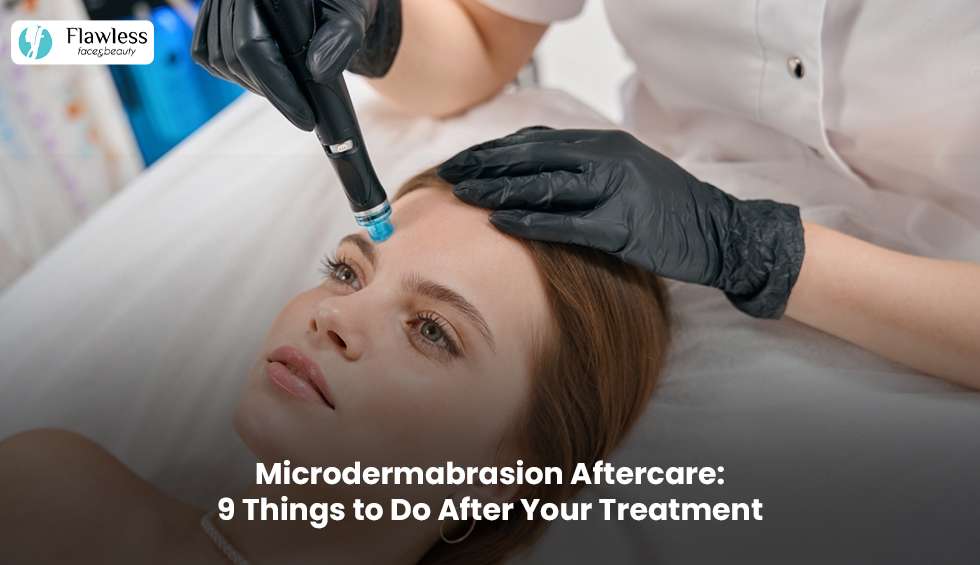
Microdermabrasion is a popular skin treatment for people who want a smoother, brighter and more refreshed-looking complexion without significant downtime. By gently exfoliating the outermost layer of the skin, the treatment can help improve the appearance of dullness, uneven texture, mild pigmentation and some signs of ageing.
But what you do after your microdermabrasion treatment matters just as much as the treatment itself. Your skin may feel smoother immediately, but it can also be temporarily more sensitive, slightly pink or dry.
If you have recently had Microdermabrasion treatment in Invercargill, these nine aftercare tips can help you protect your skin and maintain that fresh post-treatment glow.
Quick note: Always follow the specific aftercare instructions provided by your beauty professional, as your routine may need to be adjusted according to your skin type and treatment intensity.
What Happens to Your Skin After Microdermabrasion?
Microdermabrasion works by gently exfoliating the skin’s surface, removing dead skin cells and revealing fresher-looking skin underneath. It is considered a minimally invasive treatment and generally involves little to no downtime.
Immediately afterwards, your skin may feel:
- Smoother and softer
- More refreshed
- Slightly tight or dry
- A little pink or red
- More sensitive than usual
For some people, redness or mild swelling can last around a day, although individual recovery varies.
This is why your post-treatment skincare routine should focus on gentleness, hydration and protection rather than trying to accelerate exfoliation.
9 Things to Do After Microdermabrasion
1. Keep Your Skincare Routine Simple
One of the biggest mistakes people make after exfoliation is immediately reaching for multiple skincare products.
After microdermabrasion, your skin may be more sensitive than usual. Instead of experimenting with new products, keep your routine simple.
A gentle cleanser, suitable moisturiser and daily sunscreen are usually the foundation of a sensible post-treatment routine. Your beauty professional can advise which products are appropriate for your skin.
Think less is more.
Your goal during the immediate recovery period is to support your skin rather than overwhelm it.
2. Moisturise Regularly
Hydration is one of the most important parts of microdermabrasion aftercare.
Exfoliation can leave the skin feeling temporarily dry or tight, so applying a suitable moisturiser can help maintain comfort and support the skin barrier. Dermatologists also recommend moisturising after exfoliation because exfoliating can contribute to dryness.
Look for a gentle moisturiser that suits your skin type and avoid introducing several new products at once.
If your skin feels dry during the day, you may need to moisturise more frequently.
3. Wear Sunscreen Every Day
If there is one aftercare habit you should not skip, it is sun protection.
After microdermabrasion, treated skin can be more sensitive to sunlight. The American Academy of Dermatology recommends following a skincare plan that includes sun protection after microdermabrasion.
Make broad-spectrum sunscreen part of your daily routine and consider additional protection such as:
- A wide-brimmed hat
- Sunglasses
- Shade
- Avoiding unnecessary direct sunlight
Remember that UV exposure can occur even when the weather does not feel particularly hot. Daily sun protection is therefore important throughout the year.
4. Avoid Harsh Exfoliation
Your skin has already received an exfoliating treatment, so there is no need to exfoliate it again immediately.
Avoid adding scrubs, strong exfoliating acids or other aggressive exfoliation methods until your skin has recovered and your beauty professional says they are suitable.
Over-exfoliating can lead to irritation, dryness and redness. The AAD specifically warns that excessive exfoliation can leave skin irritated.
Your microdermabrasion treatment has already done the exfoliating work. Let your skin recover.
5. Be Careful With Active Skincare Ingredients
Some skincare ingredients can be irritating when your skin is temporarily sensitive.
Depending on your individual treatment and skincare routine, your professional may advise you to pause certain active products for a period of time. These can include products containing ingredients such as retinoids or exfoliating acids.
For example, Cleveland Clinic notes that certain salicylic acid, Retin-A, Differin and glycolic acid products may need to be stopped before microdermabrasion.
The exact timing after treatment can vary, so don’t automatically restart every active product the next day.
Ask your beauty professional when your usual products can safely be reintroduced
6. Avoid Picking, Scratching or Rubbing Your Skin
Your skin may feel slightly different after treatment, particularly if it feels dry or tight.
Try not to:
- Pick at dry areas
- Scratch your face
- Rub your skin aggressively
- Use rough face cloths
- Scrub away any flaking
Instead, cleanse gently and pat your skin dry.
Being gentle is especially important because the purpose of aftercare is to allow the skin to settle naturally.
7. Be Mindful of Heat and Sweating
Immediately after a skin treatment, it is sensible to avoid activities that could make your skin feel excessively hot, irritated or uncomfortable.
Depending on the advice provided by your treatment professional, you may need to temporarily avoid things such as:
- Very hot showers
- Saunas
- Steam rooms
- Intense exercise
- Excessive heat exposure
Your exact restrictions may depend on the type and intensity of treatment you received.
When in doubt, ask your Flawless Face & Beauty professional for personalised guidance.
8. Give Your Skin Time Before Applying Heavy Makeup
One of the most common questions after microdermabrasion is: “Can I wear makeup straight away?”
The answer depends on your skin and the instructions provided by your treatment professional.
If your skin is red, irritated or particularly sensitive, giving it time to settle may be more comfortable than immediately applying multiple layers of makeup.
Instead of trying to cover temporary redness, focus on keeping your skin clean, moisturised and protected.
If you need to wear makeup for an event, ask your beauty professional when it is appropriate to resume your normal makeup routine.
9. Follow Your Professional’s Aftercare Instructions
Online skincare advice can be useful, but it cannot replace personalised aftercare.
Your skin type, sensitivity, current skincare products and the specific microdermabrasion treatment you received can all influence your recovery.
Professional guidance may include:
- Which cleanser to use
- Which moisturiser is suitable
- When to restart active skincare
- When makeup can be applied
- How to protect your skin from the sun
- When to schedule your next treatment
Following those instructions can help you avoid unnecessary irritation and get the most from your treatment.
What Should You Avoid After Microdermabrasion?
For the first part of your recovery, avoid treating your freshly exfoliated skin aggressively.
Depending on your professional’s advice, this may mean temporarily avoiding:
Harsh scrubs: Your skin has already been exfoliated.
Strong active ingredients: Some acids and retinoid-based products may irritate sensitive skin.
Excessive sun exposure: UV protection is particularly important after treatment.
Tanning: Artificial and natural tanning can work against your skin goals.
Picking or rubbing: Let your skin recover naturally.
Trying new skincare: Introducing multiple products makes it harder to identify what is causing irritation.
The American Academy of Dermatology also recommends sun protection as part of post-microdermabrasion care.
When Can You Return to Your Normal Skincare Routine?
There isn’t one universal timeline for everyone.
Microdermabrasion generally has minimal downtime, and many people can return to their everyday activities quickly. However, temporary redness, sensitivity or swelling can occur.
The best approach is to reintroduce products gradually rather than immediately returning to a complicated routine.
If a product that normally feels comfortable suddenly causes burning, stinging or significant irritation, stop using it and speak with your skincare professional or healthcare provider.
How Often Should You Have Microdermabrasion?
The ideal treatment schedule depends on your skin condition, goals and how your skin responds.
Some people have a series of treatments to achieve their desired results. The American Academy of Dermatology notes that treatment schedules can vary from weekly to every two weeks or monthly, while Cleveland Clinic notes that many people have multiple treatments to achieve their cosmetic goals.
Rather than booking treatments as frequently as possible, work with a professional to create a schedule that makes sense for your skin.
When Should You Seek Professional Advice?
Mild redness, sensitivity or slight swelling can occur after microdermabrasion and usually settles relatively quickly.
However, if you experience unusual or worsening symptoms, significant pain, severe swelling, blistering, signs of infection or a reaction that concerns you, contact your treatment provider or seek appropriate medical advice.
If you have a history of skin conditions, scarring or concerns about pigmentation, discussing your suitability for microdermabrasion with an appropriately qualified professional before treatment is also important.
Why Choose Flawless Face & Beauty in Invercargill?
Choosing the right professional is an important part of getting a positive skincare experience.
At Flawless Face & Beauty, the focus is on providing professional beauty treatments with attention to individual skincare needs.
If you’re considering a Microdermabrasion treatment in Invercargill, a consultation can help you understand what the treatment involves, what results may be realistic for your skin and what aftercare you should follow.
Good skincare isn’t just about the treatment itself. The preparation, professional technique and aftercare all work together.
Frequently Asked Questions
1 Is microdermabrasion good for your skin?
Microdermabrasion gently exfoliates the outermost layer of skin and may help improve the appearance of dullness, uneven texture, age spots and some pigmentation concerns. Results vary, and multiple treatments may be recommended depending on individual goals.
2 What should I do immediately after microdermabrasion?
Keep your skincare routine gentle, moisturise as recommended and protect your skin from the sun. Avoid unnecessary exfoliation and follow the personalised aftercare instructions provided by your professional.
3 Can I use vitamin C after microdermabrasion?
It depends on the product and your skin’s sensitivity. Some active skincare products can irritate freshly treated skin, so ask your beauty professional when you should restart vitamin C or other active ingredients.
4 Can I exfoliate after microdermabrasion?
Generally, you should not immediately add another exfoliating treatment to freshly treated skin. Microdermabrasion has already exfoliated the skin, and excessive exfoliation can cause irritation.
5 Can I go in the sun after microdermabrasion?
Sun protection is particularly important after microdermabrasion. Use appropriate sunscreen and minimize unnecessary direct sun exposure while your skin is recovering.
Final Thoughts
Microdermabrasion can be an excellent way to refresh the appearance of your skin, but the days following your treatment are not the time to experiment with an aggressive skincare routine.
Keep things gentle, hydrated and protected. Avoid unnecessary exfoliation, listen to your skin and follow the personalised advice provided by your beauty professional.
If you’re searching for Microdermabrasion treatment in Invercargill, Flawless Face & Beauty can help you understand the treatment process and appropriate aftercare for your skincare goals.
Ready to give your skin a fresh, smoother-looking glow? Contact Flawless Face & Beauty to discuss whether microdermabrasion is right for you.